
PPM Express links every objective and key result to the initiatives funded to deliver it, the people allocated to them, and the progress coming out of Azure DevOps, Jira, Microsoft Project, Planner, Smartsheet and monday.com. The quarterly review stops being a round of self-reported percentages.
One of the largest law firms in the US runs 7 IT portfolios and more than 200 projects in PPM Express, with reporting automated across all seven.
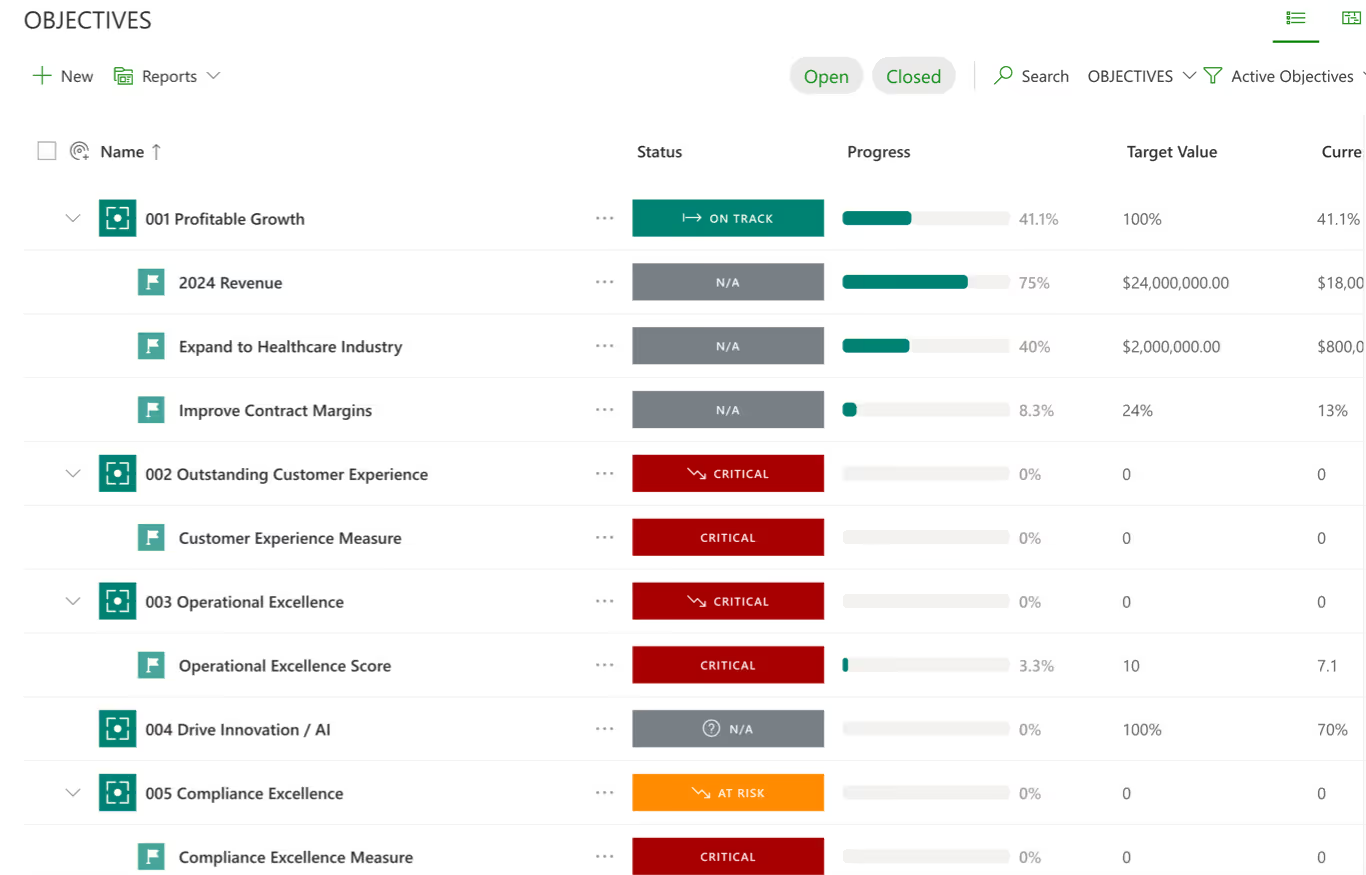


Progress against a key result is entered by the person accountable for it, usually shortly before the review. It is an opinion formatted as a percentage, and everyone in the room knows it.
Ask what an objective cost this year and the answer needs a finance export, a project list and an afternoon. By the time it arrives, the decision it was meant to inform has already been taken.
The portfolio changes every month; the objectives were written once. Work gets funded that serves no stated objective, objectives survive with nothing funded against them, and neither is visible until somebody goes looking.
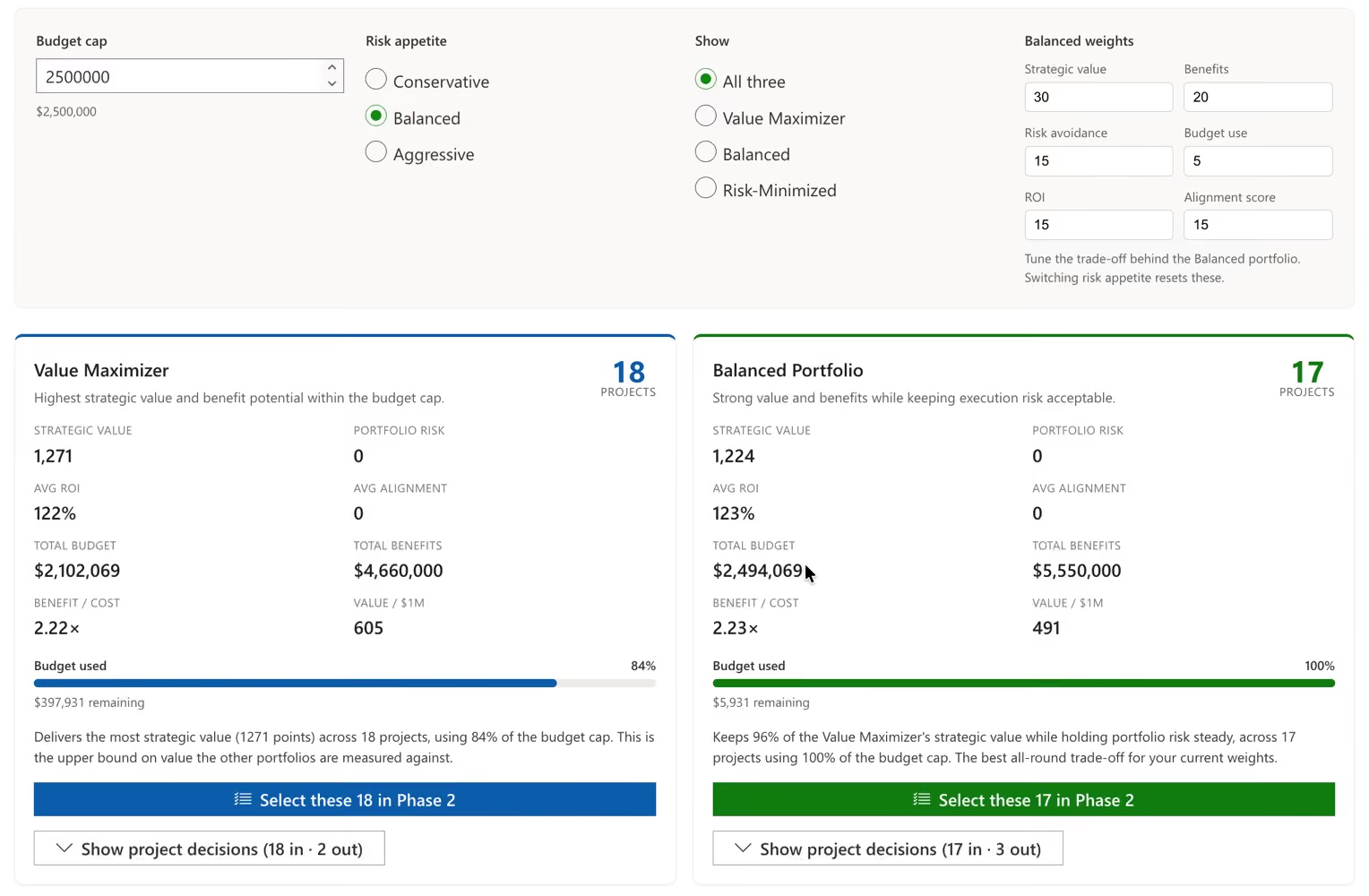
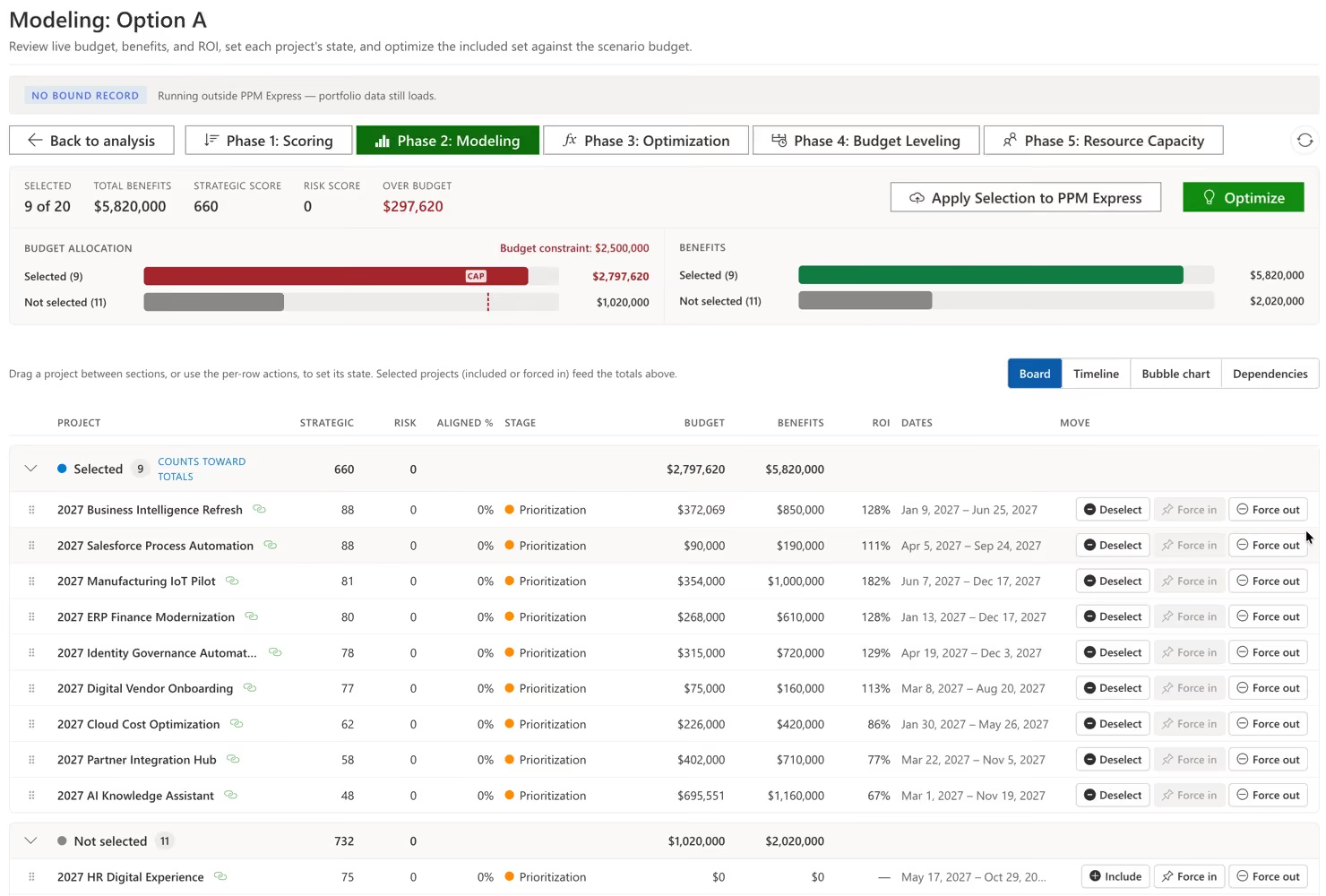
PPM Express holds the objectives and the portfolio in the same system. Initiatives are linked to the objectives they serve, carry their own budget, capacity and progress, and read live delivery data from the tools your teams already work in. See every delivery tool it reads from.
Objectives and key results, the initiatives funded against them, budget and forecast, allocated people, and delivery progress from every connected tool.
Your delivery tools. Teams keep their boards, plans and sheets, and nothing is migrated in order to make an objective measurable.
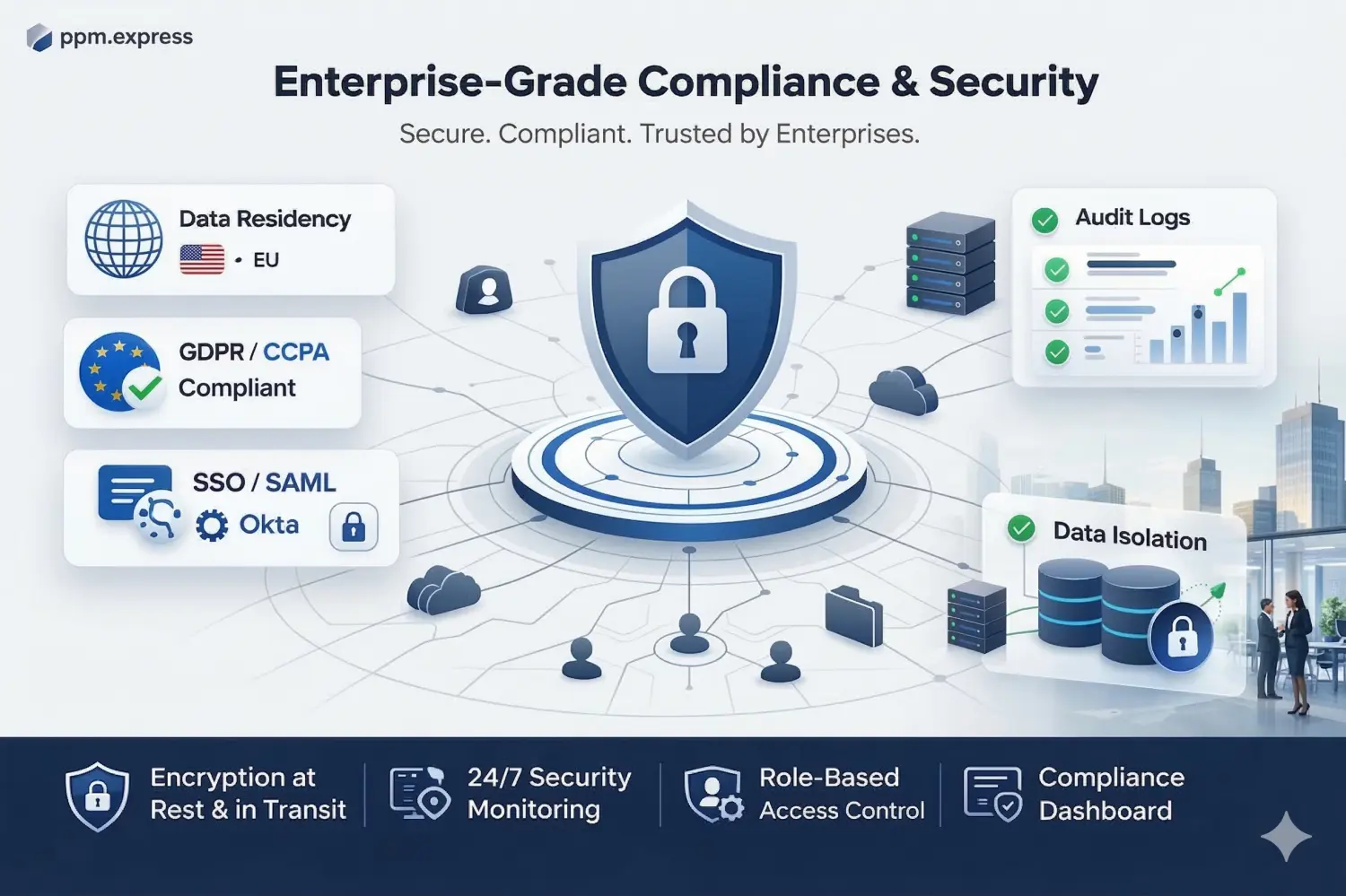
Microsoft 365 or Okta SSO, with centralized user management and advanced permissions.
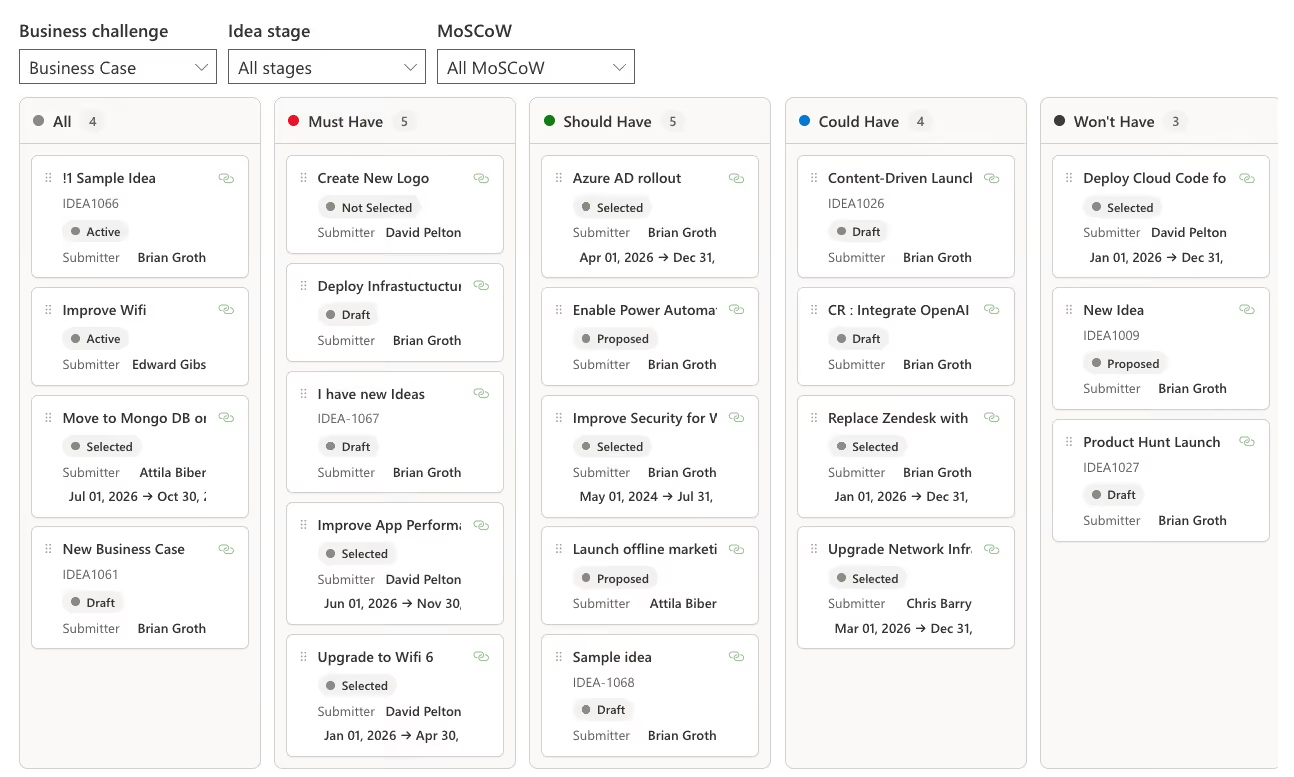
Set objectives and key results at the level decisions are actually taken — company, portfolio, business unit. Keep them few enough that an initiative can be honestly mapped to one, rather than tagged against four. How initiatives are scored and ranked.
Every initiative points at the objective it exists to move, and carries its budget, its people and its delivery data with it. Objectives with nothing funded against them become visible immediately — and so does work that serves none.
Progress comes from the delivery tools teams are already updating, and financials from the initiative itself. The review becomes a conversation about whether the objective is moving, rather than about whether the numbers are current.
Objectives at the top, the initiatives funded to serve them below, and the delivery evidence below that. One hierarchy, whatever tool the work actually happens in. One live portfolio across every tool.
A structure leadership already recognises, with the portfolio hanging off it rather than sitting beside it.
Funded initiatives, spend to date, capacity committed, delivery status and current result, comparable across every objective.
Read-only access for executives, sponsors and finance partners, so the objective is something they look at rather than something you send them.
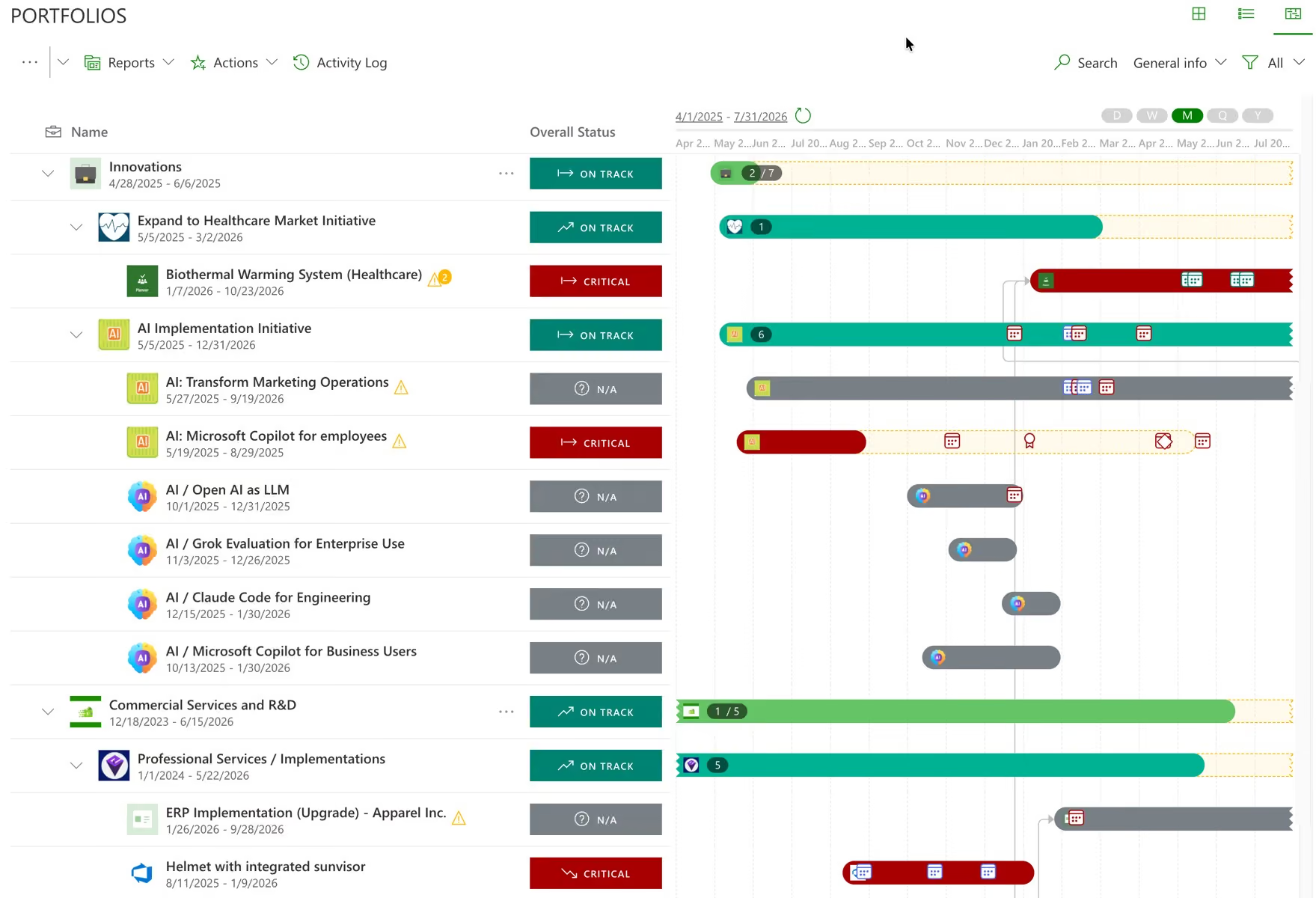
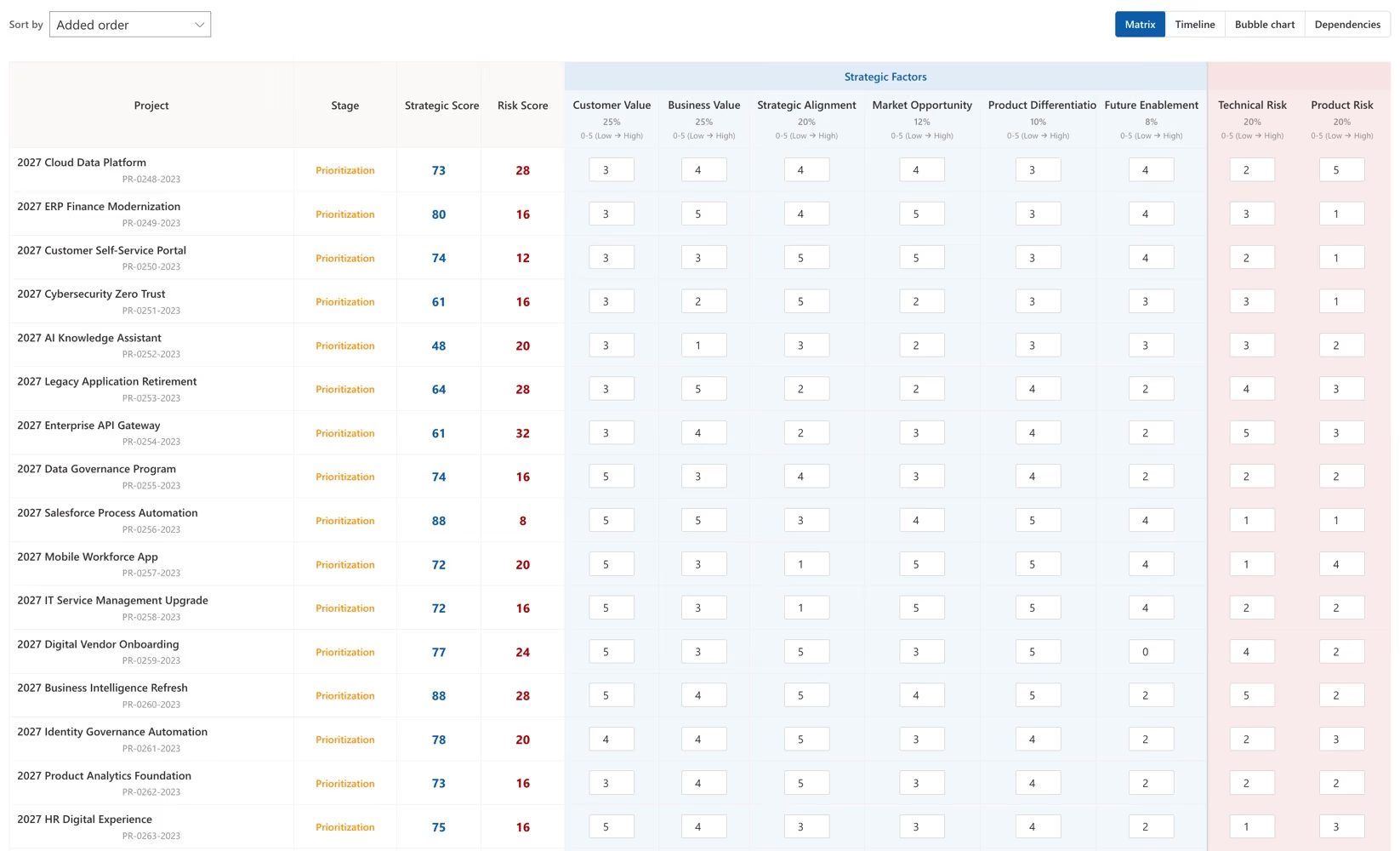
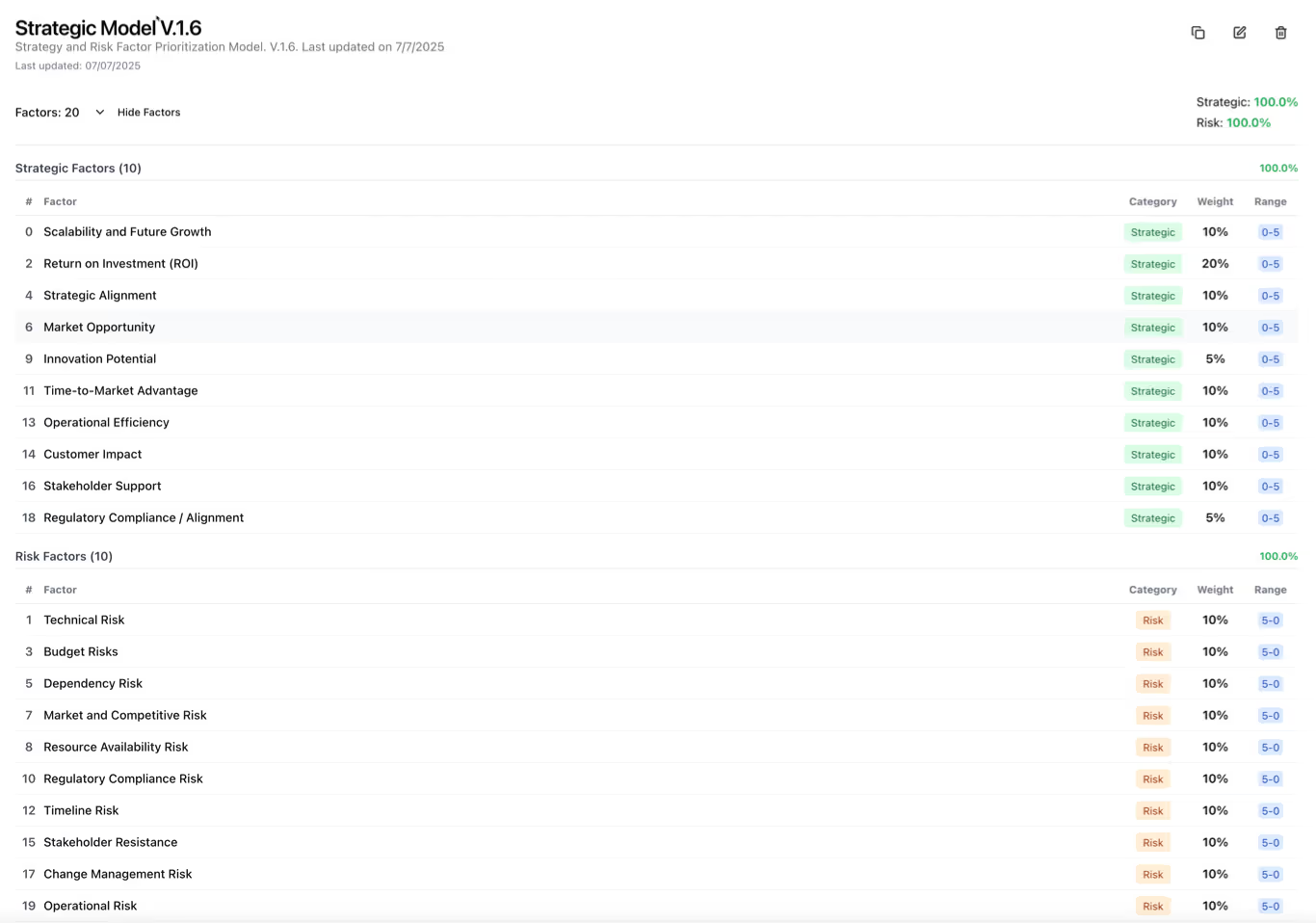
Strategic alignment stops being an adjective the moment it becomes a weighted criterion. Initiatives are scored on contribution to an objective alongside value, risk, effort and compliance, so “this supports our strategy” has to survive a number. How strategic portfolio management works.
Contribution to an objective is one of the weighted criteria a proposal is ranked on, with a weight you set yourself.
Both appear in the same view, which is usually the first uncomfortable output of connecting the two.
Every score traces back to its inputs, so the link between an objective and a funding decision can still be explained six months later.
An objective is a commitment to spend money and people. Model what it would take — which initiatives, what budget, whose time — and see the effect on everything else before the objective is announced to the organization. Portfolio what-if scenario planning.
Compare what different levels of investment in one objective would do to every other objective.
Where an objective breaks — money, people or a date — is shown before it is announced, not during the quarter it fails.
The chosen scenario becomes the plan of record, and the objective arrives with funded work already attached to it.
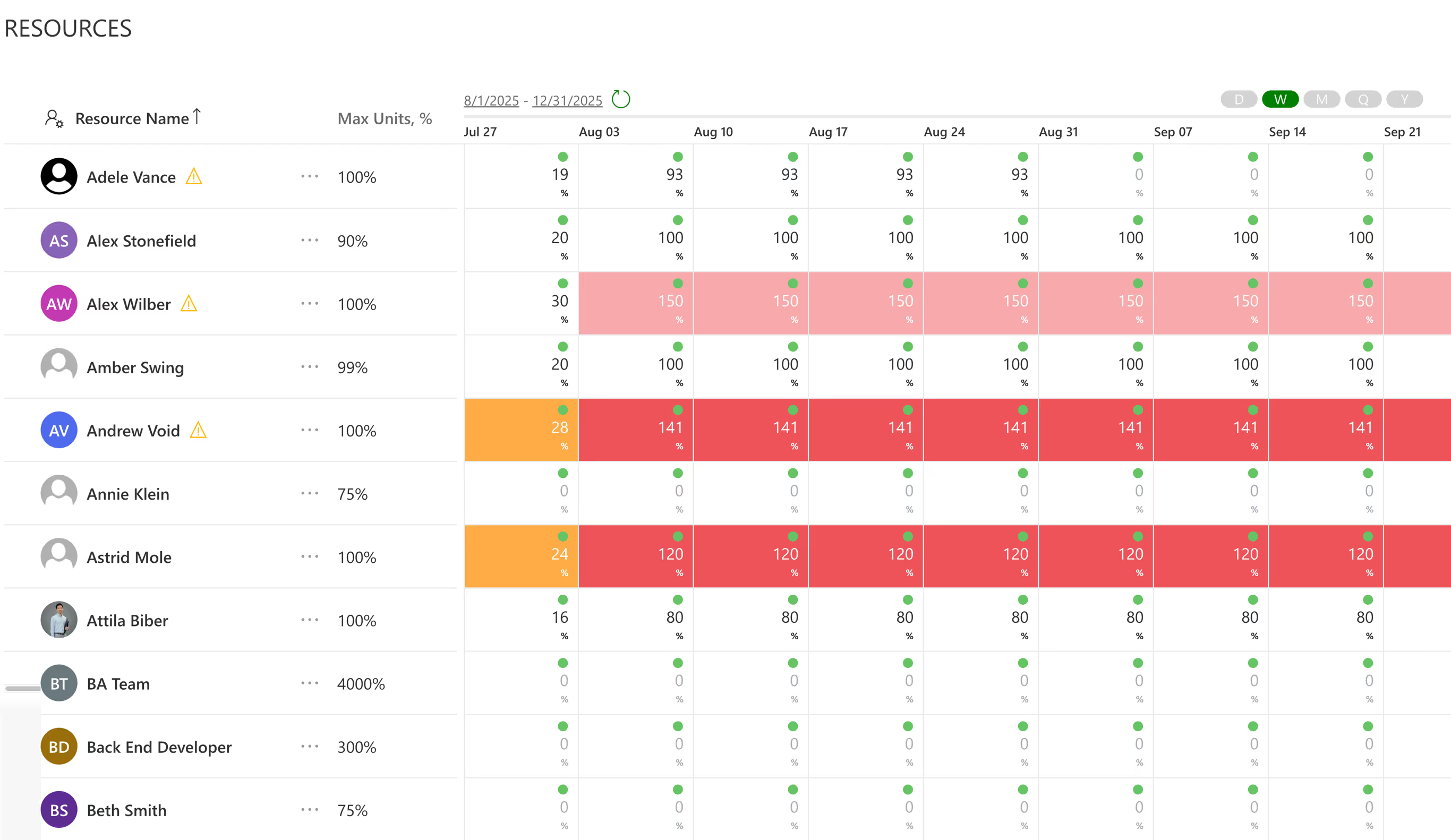
Most objectives fail on capacity rather than on intent. PPM Express calculates availability from each person’s work week and calendar exceptions, allocates people to the initiatives serving each objective, and shows the collision while the objective is still a draft. Resource capacity planning and utilization.
See who is committed to each objective across every program in a single pass.
Calculated from real work weeks, calendars and calendar exceptions, not from an assumed eight-hour day.
“We will do all four this quarter” becomes “here is what the fourth one would displace”.
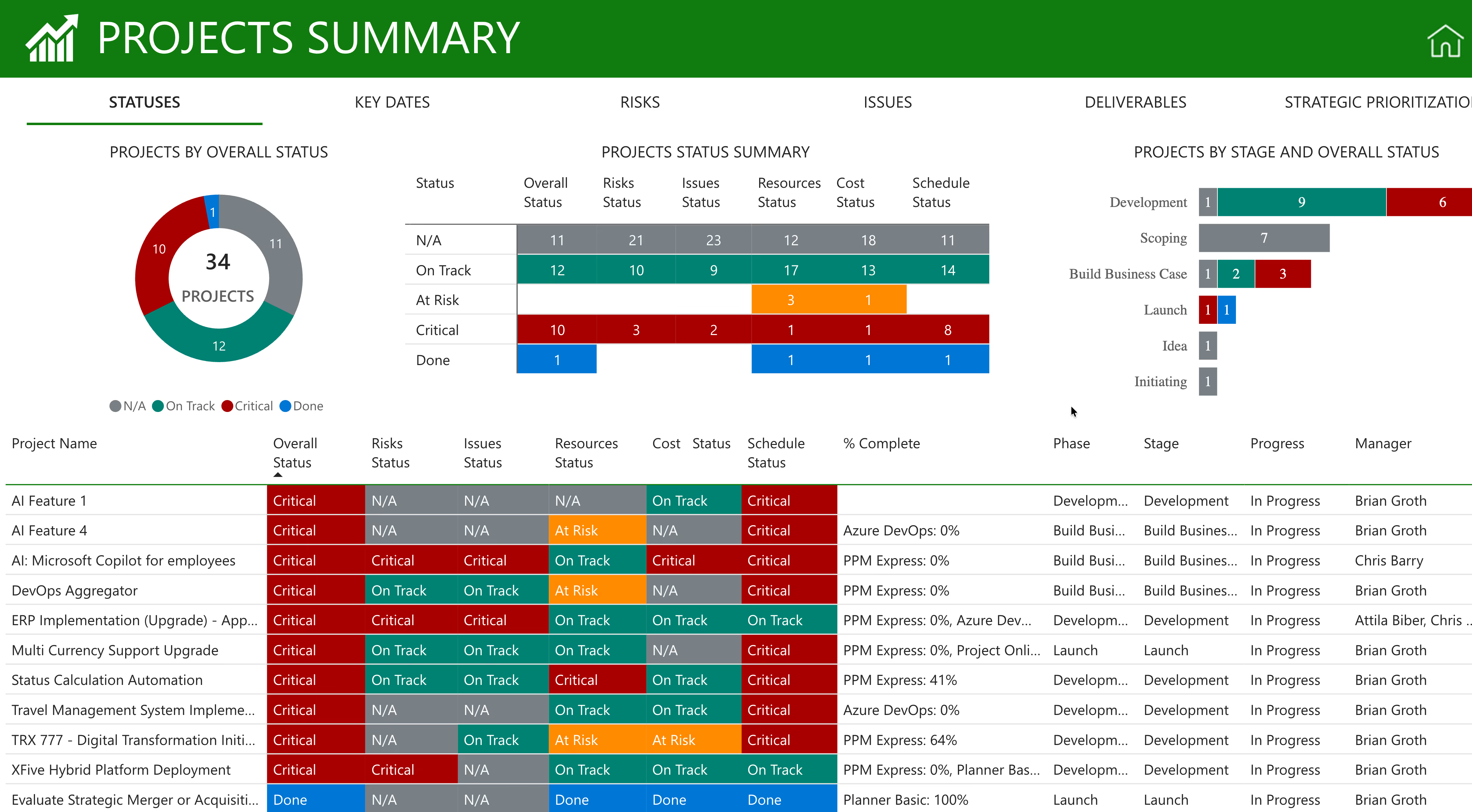
Objective performance reported next to the delivery that produced it, across every tool the organization works in. The board, the executive team and each business unit read the same numbers. Portfolio reporting and analytics.
Portfolio and project health, scores, financials, risks, capacity and benefits — ready to use rather than ready to build.
Azure DevOps, Jira, Microsoft Project, Project Online, Planner, Smartsheet and monday.com, feeding one set of objectives.
For the investment committee, the board and external stakeholders — the same numbers, without a rebuild per audience.
OKRs fail when the cadence is a calendar entry rather than a process. PPM Express supports the whole loop — set, fund, deliver, measure, re-set — with the portfolio data attached at every step.
Objectives defined at the level where money and people can actually be moved, so the people writing them are the people who can back them. Idea scoring and prioritization.
Money released in stages against the objective, with each gate an explicit decision to continue, change or stop rather than an annual commitment nobody revisits.
Key results update from the work itself wherever the result is something the portfolio can see — progress, milestones, spend, capacity consumed.
The next set of objectives is written knowing what the last set cost and what it actually returned, rather than from ambition alone.

One of the largest law firms in the United States — over 2,000 attorneys across 14 offices worldwide — governs 7 IT portfolios and more than 200 projects in PPM Express.
Their leadership team works from live dependencies between initiatives, actual progress, timelines and milestones, with reporting generated automatically across all seven portfolios rather than assembled for each review.
Not only what each program is doing, but what it is waiting on — visible before it becomes a delay.
Read from the delivery tools the teams are already updating, across every connected project.
Automated across portfolios and programs, so leadership reviews the portfolio instead of commissioning a view of it.
Key results are updated by hand shortly before the review, and nobody can check them without asking the person who entered them.
Strategy is reviewed in one meeting and the budget in another, and the link between them is asserted rather than shown.
Nobody returns to ask what the previous set cost or whether it delivered, so the next set is written from ambition alone.
Key results move because the delivery data moved, and anyone in the review can see which initiative caused it.
The initiatives funded against an objective and what they have consumed sit in the same view as the result.
What the last quarter cost and what it returned are on the table when the next objectives are agreed.

Weighted Prioritization Model for selecting right investment
Integrations

Capacity from real work weeks, so over-allocation surfaces before you commit.
Product

Structured Approach for prioritizing and aligning portfolios with strategic priorities and resource constraints
Product
Last updated 20 August 2026
OKRs and enterprise portfolios, answered.
Running objectives and key results against the same data as the portfolio, so each objective carries the initiatives funded to deliver it, the people allocated to them and the delivery progress behind them. The difference from a standalone OKR tool is that the result is read from work in progress rather than typed in at review time.
Usually not, and running both is where the drift starts. A dedicated OKR tool holds objectives and check-ins but not budget, capacity or delivery data, so someone has to carry numbers between the two systems every quarter. Holding both in one place removes that job and the errors that come with it.
Where the result is something the portfolio can see — delivery progress, milestone completion, spend, capacity consumed — it updates from the connected tools. Where the result is a business measure that lives outside the portfolio, such as churn or revenue, it is entered by hand, and it should be clear which is which.
Yes, and it is worth being careful about. Initiatives mapped to four objectives usually serve none of them meaningfully. The scoring model handles genuine multi-objective work, but a portfolio in which everything supports everything tells you nothing about what to fund.
Initiatives are linked to the objective they serve and carry their own budget and forecast, so spend against an objective is a roll-up rather than an exercise. Investment categories and funding buckets sit above that, which is what stops a mandatory compliance program competing with a growth objective in the same queue.
They appear immediately, which is usually the most valuable output of connecting the two. The same view shows the reverse — funded work serving no stated objective — and that is generally the more difficult conversation of the pair.
At the level where funding is controlled. Objectives written where nobody can move money or people become commentary. Most enterprises settle on company plus portfolio or business-unit level, with initiatives underneath rather than personal OKRs.
Quarterly review with monthly delivery data underneath is the common pattern. Because progress is read from the connected tools rather than assembled by hand, the monthly view costs nothing to produce, and the quarterly conversation can be about direction instead of about whether the numbers are current.
No. Teams keep working in Azure DevOps, Jira, Microsoft Project, Project Online, Planner, Smartsheet or monday.com, and PPM Express reads from them. Only the people setting and reviewing objectives need accounts.
Yes. Build a scenario that funds the objective at different levels and compare the effect on cost, capacity and every other objective before it is published. An objective announced without that test is a commitment made without knowing what it displaces.
Yes. One of the largest law firms in the United States — over 2,000 attorneys across 14 offices worldwide — runs 7 IT portfolios and more than 200 projects in PPM Express, with reporting automated across all seven.
The layer objectives sit on top of: funding, scoring, gates and benefits. Strategic portfolio management
Score initiatives against the objectives they claim to serve. Project prioritization and ranking
The constraint most objectives actually fail on. Resource capacity planning and utilization
Test what an objective would cost before you publish it. Portfolio what-if scenario planning
Where the delivery evidence behind a key result comes from. One live portfolio across every tool




.svg)


