Idea Prioritization

Prioritize the ideas that deliver strategic value

Score submitted ideas against criteria your organization agreed on in advance, see them plotted by strategic value against risk, and decide which ones become projects.

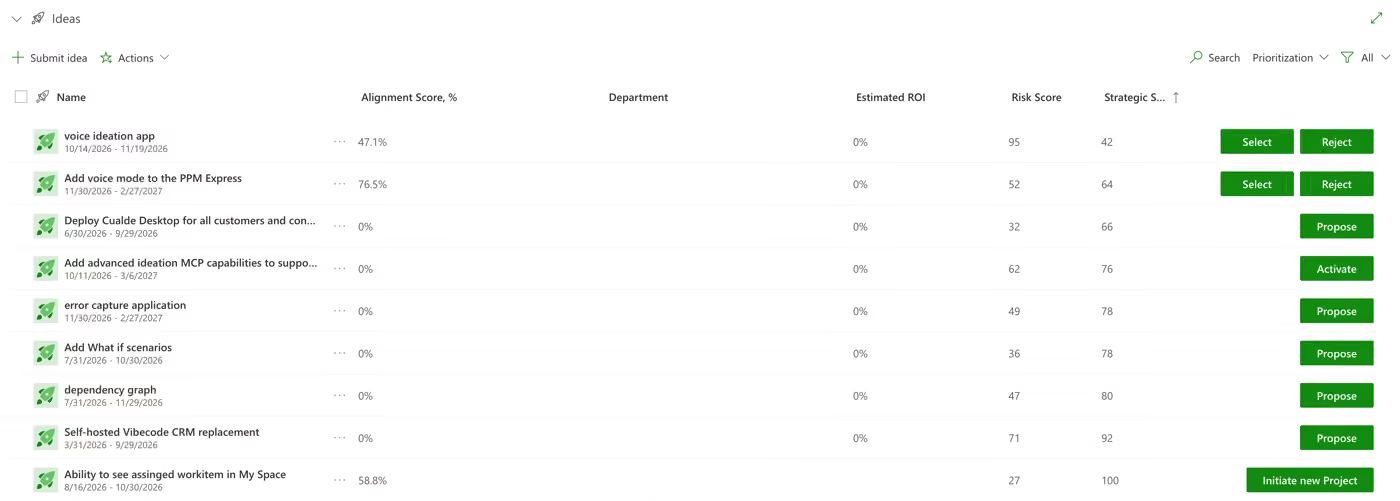
Scores are published back onto the ideas in PPM Express, so the shortlist and the reasoning live in one place.

Collecting ideas is easy. Choosing between them is where innovation programs die.

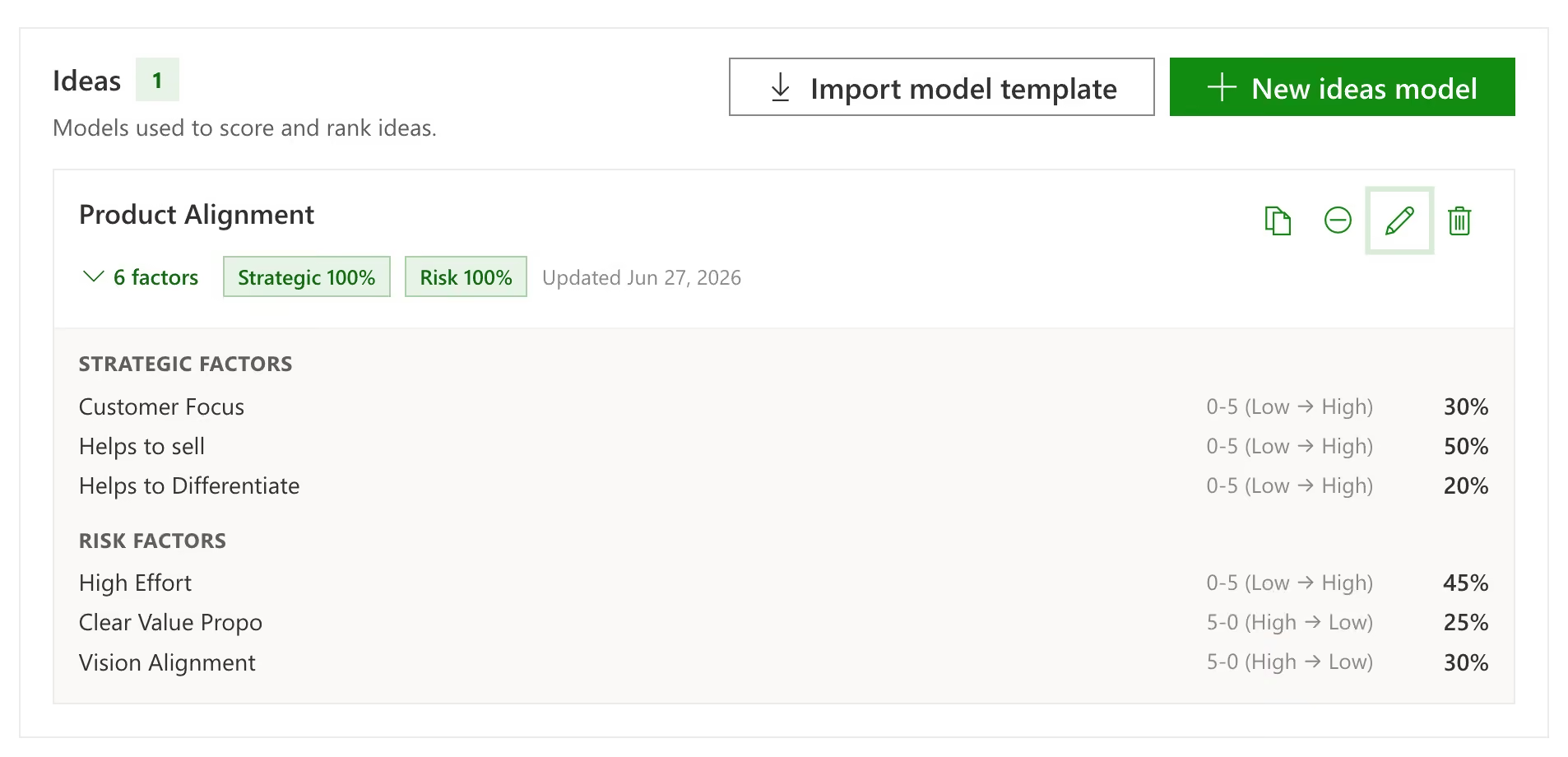
Idea scoring template in PPM Express with the criteria and weights an organisation defines
Most organizations get the first half right. There's a portal, a campaign, a challenge, and a few hundred submissions.


Then the backlog sits there. Selection happens in a meeting where ideas backed by an executive advance, and the rest are never formally declined — they just stop being mentioned. Submitters learn that ideas go into a queue and nothing comes out. Next year's campaign gets a third of the submissions.


Scoring changes that. Every idea carries a Strategic Score and a Risk Score against a model published before the campaign opened, and the result is visible to whoever submitted it.

One business challenge at a time

Ideas are prioritized within a single business challenge (the theme an idea was submitted against), and that's deliberate.

Ranking a compliance fix against a growth experiment produces a number, but not a decision anyone can act on: they compete for different budgets, answer to different sponsors, and succeed by different measures.

Working one challenge at a time means every comparison is between genuine alternatives, and the output is something a sponsor can approve rather than a league table nobody owns.


Two ideas inside the same challenge are scored against the same weighted factors, so a comparison between them is something a sponsor can act on.
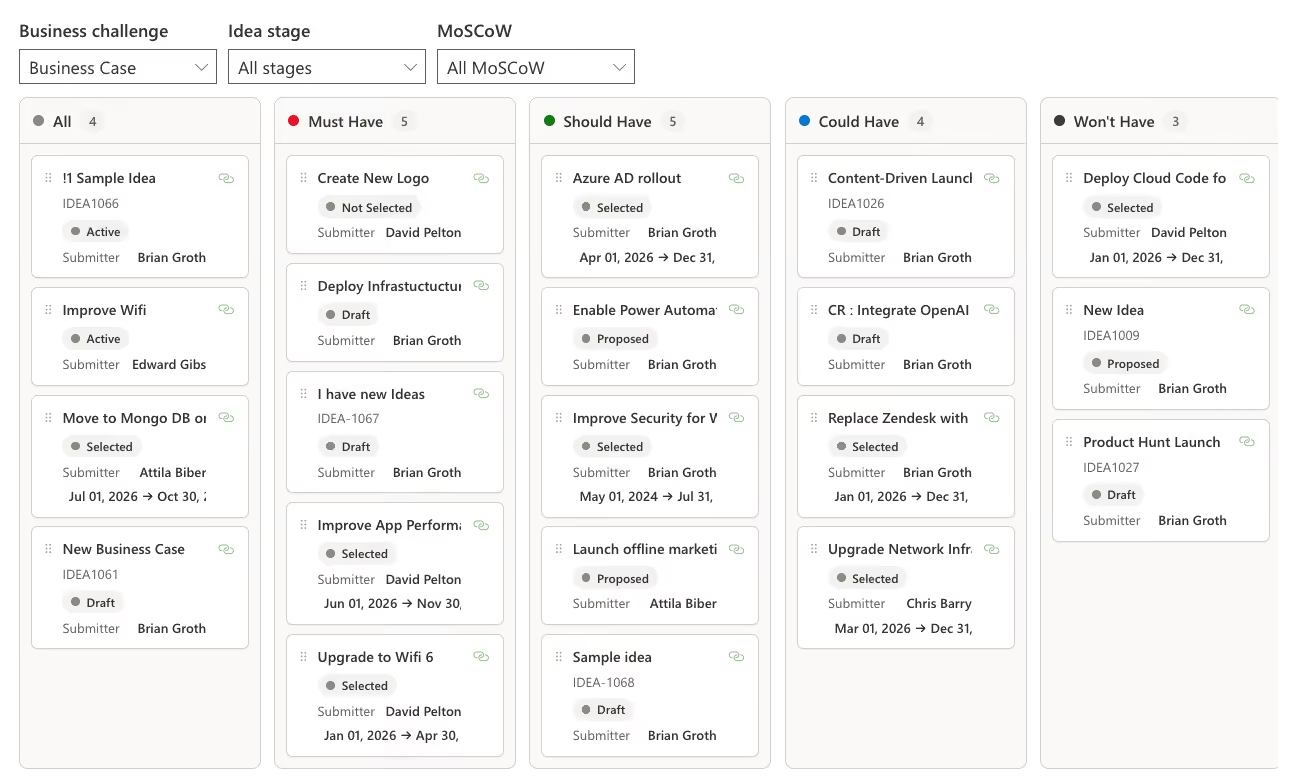
MoSCoW prioritisation board in PPM Express sorting ideas into must, should, could and will not have

Make "good idea" mean something specific

Build a scoring model with two families of criteria:  strategic factors and risk factors. Each factor is weighted, with a published value range so that what value means is stated out loud rather than left to interpretation. Every idea comes out with a Strategic Score and a Risk Score.


Ideas and projects get separate models

A proposal with a one-line business case isn't judged like a project with a signed budget, and pretending otherwise makes both models worse.

Models in use are protected

A model already scoring live ideas must be cloned before it can change, so nobody redefines value mid-campaign and quietly moves every score.

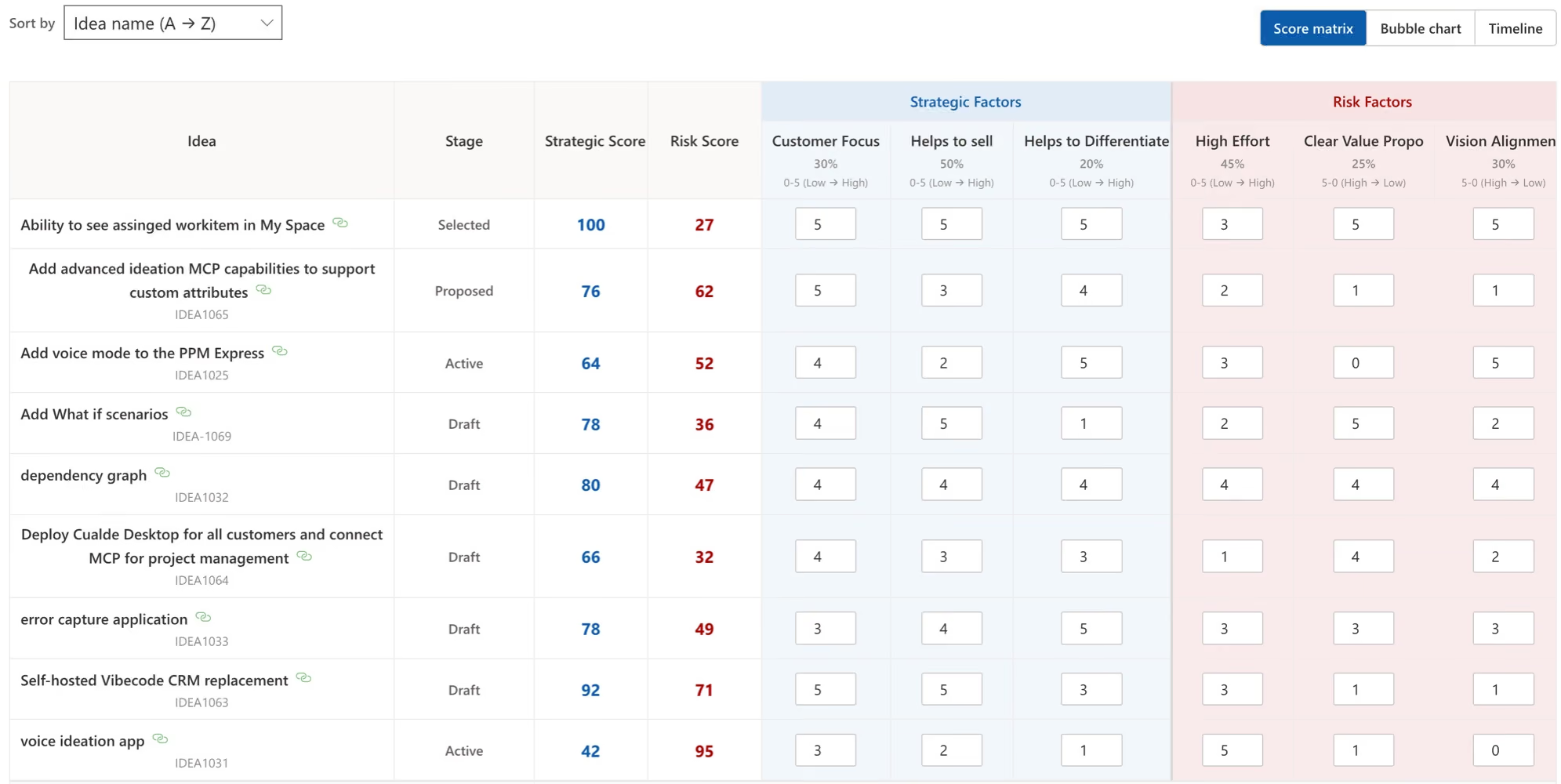
The score matrix saves as you type

No save button to forget, and weights stay visible so nobody has to guess what counts.

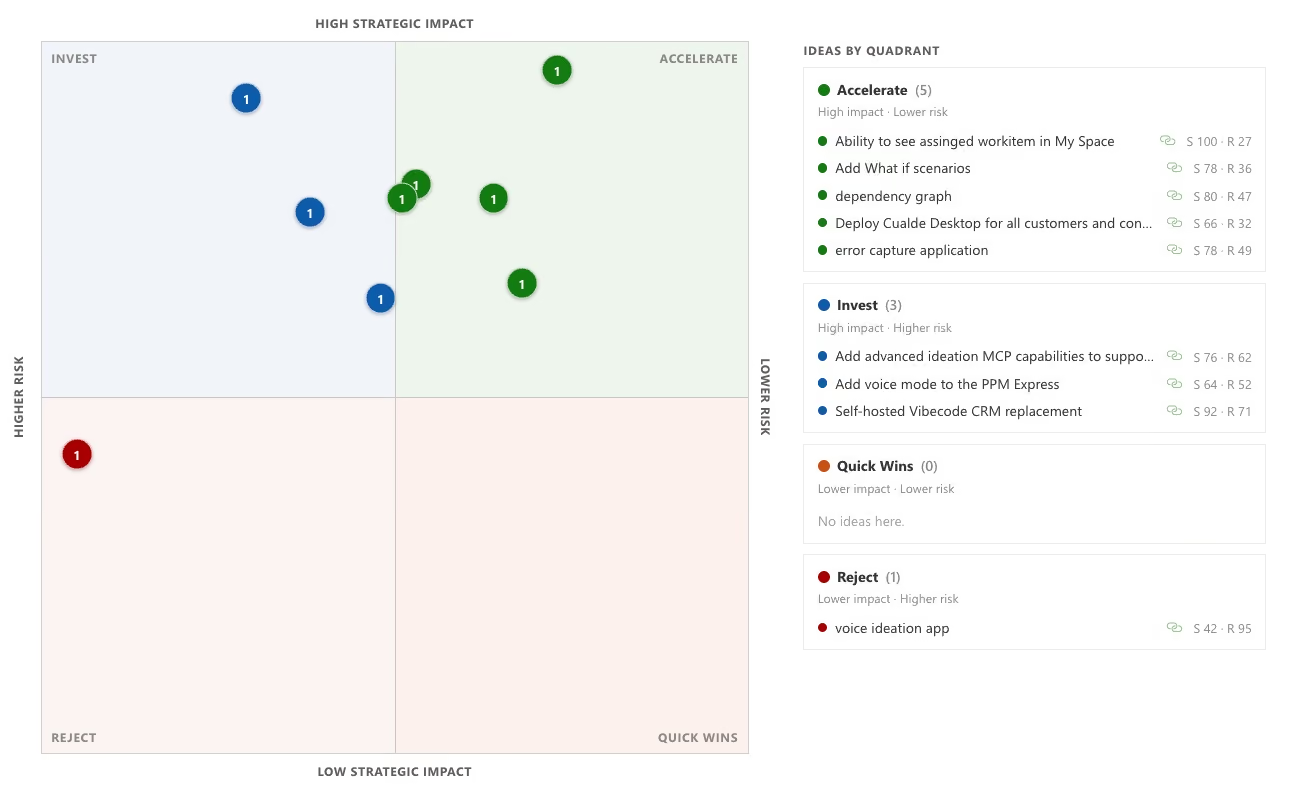
Every idea plotted by value against risk

Four quadrants with a readable index beside them. This is the view that ends the meeting rather than extending it.

Accelerate

Fund these first and stop debating them.

Invest

Worth doing, but they need real sponsorship and a plan for the risk.

Quick Wins

Cheap credibility. Good for keeping an innovation program visible between big bets.

Reject

Declining these explicitly is the point. A formal decline with a reason costs far less trust than an idea that silently disappears.
Idea prioritisation quadrant in PPM Express plotting submitted ideas by business value against effort

Learn More

Last updated 20 August 2026