
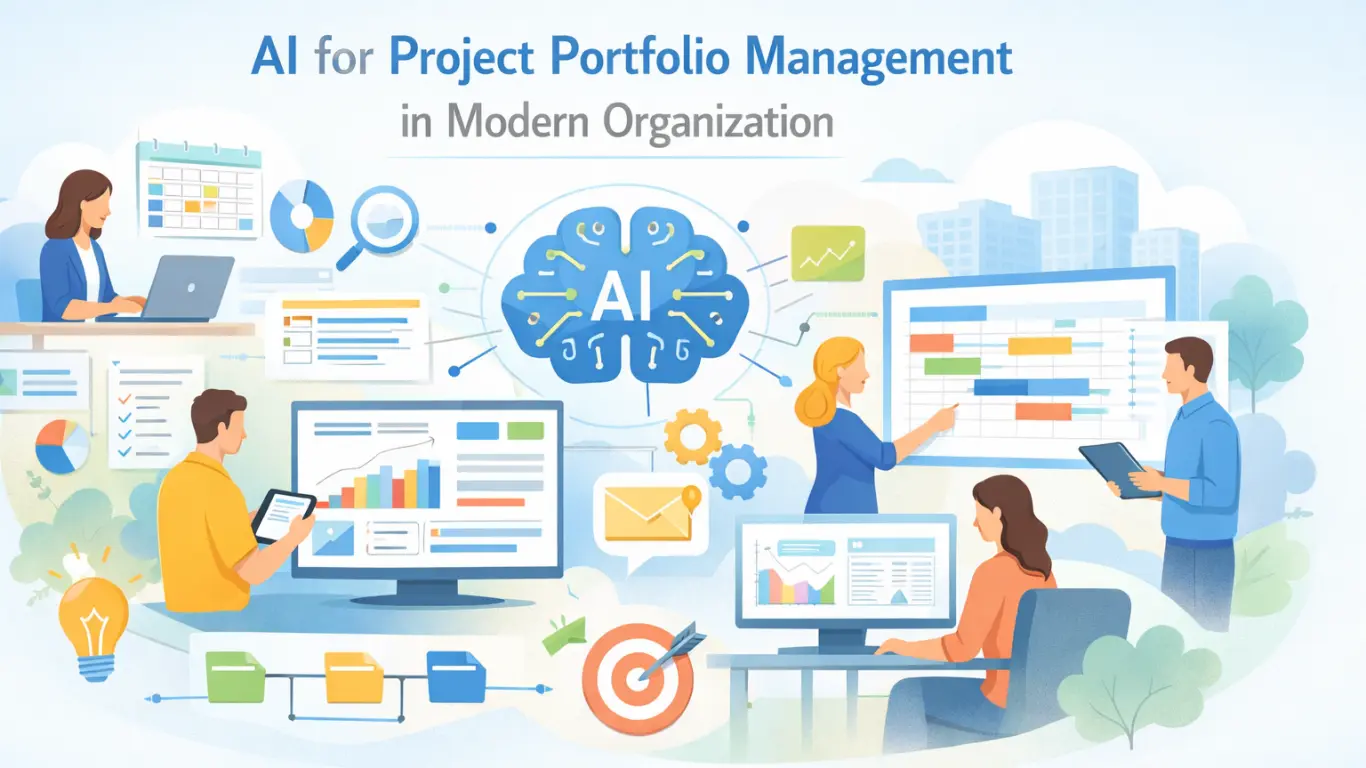
Get our latest free whitepaper to learn more about using AI for Project Portfolio Management in Modern Organizations.


250

100 hours

100K+

EU & US
Ask a PMO lead where the reporting cycle goes and the answer is rarely “analysis”. It goes on requesting updates, chasing the people who owe them, checking whether what they wrote matches what the data says, and having the same discrepancy conversation with the same four project managers.
Then it is consolidated into the executive view, and by the time it lands the picture has moved again.
Most of the effort is extraction from people who have other jobs, followed by quality-checking prose against the underlying record. Neither is what the PMO was set up to do.
Once project managers see that nothing happens with what they submit, submission quality falls. The next cycle is worse, and the chase gets longer.
Enforce enough method and the PMO gets routed around rather than argued with. Work moves into team tools and the portfolio view quietly goes dark.
Three different problems, three different mechanisms. Worth separating, because only one of them is a language model and the other two are the reason the first one can be trusted.
If a vendor answers all three with “AI”, that is a useful signal about the product.
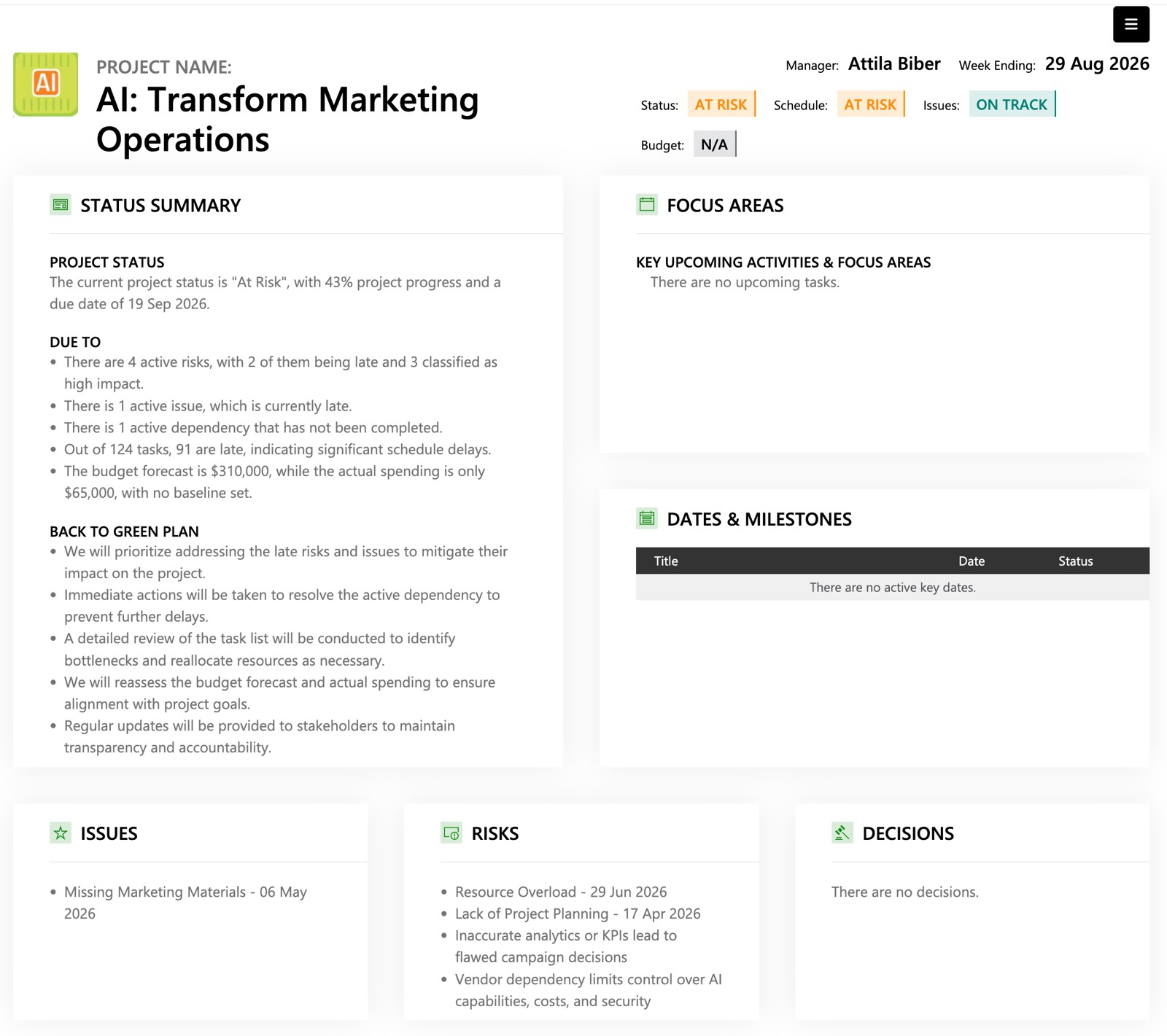
Reports are drafted from the consolidated portfolio rather than from forty inboxes, so the cycle starts with a draft to edit instead of a template to fill and a chase to run.
Slipped milestones, budget overruns and overallocation are computed, not submitted. Their quality does not depend on who filled in the template or how they were feeling about the project that week.
Projects stay in Jira, Azure DevOps, Planner and Microsoft Project. The portfolio reads from them, so there is no methodology to enforce and nothing for teams to route around.
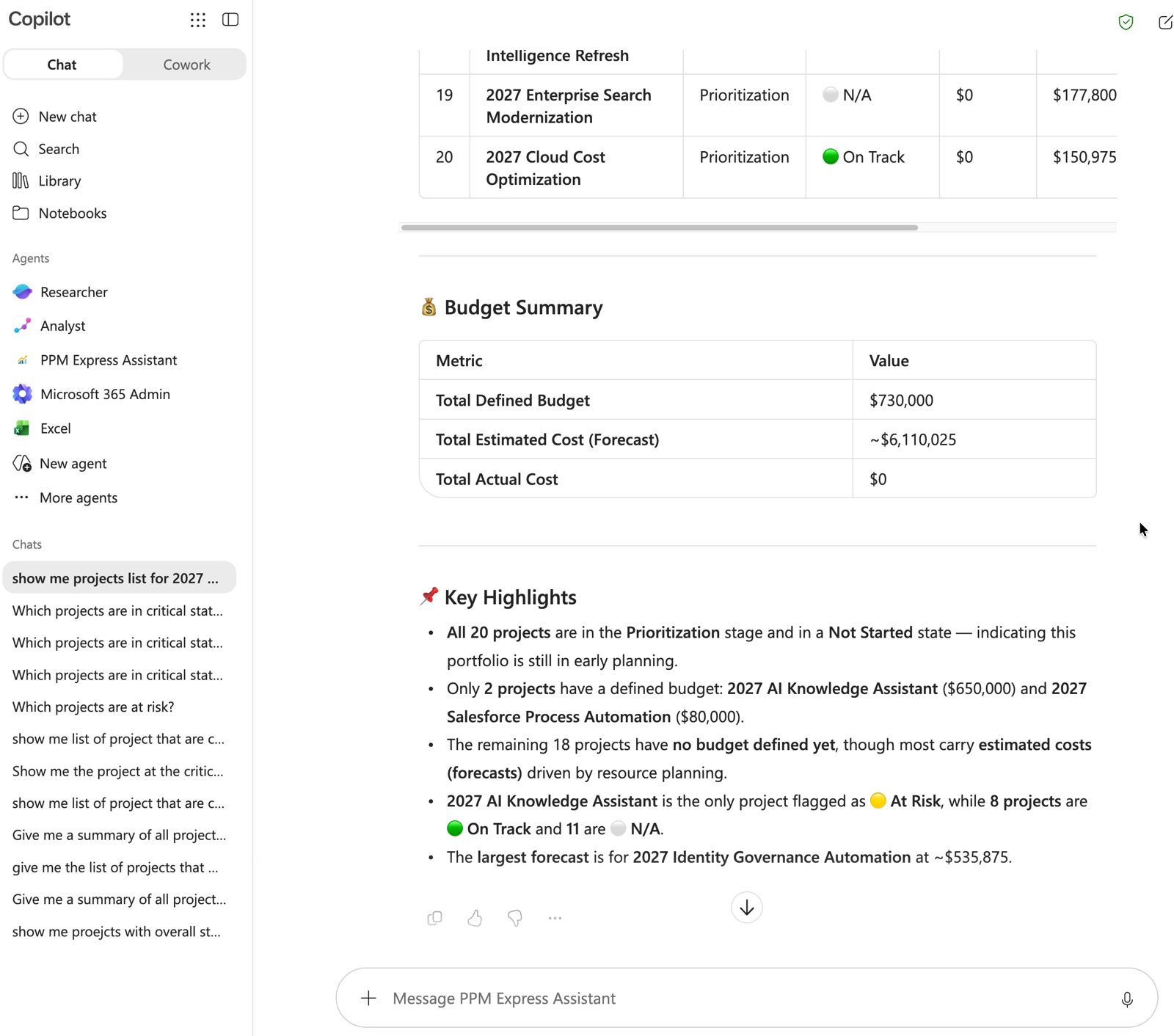
PPM Express already holds the schedule, the risks, the milestones and the financials, consolidated from Jira, Azure DevOps, Planner, Project and the rest. The report can be written from that instead of from what forty people typed into a template last Thursday.
Your team moves from the analyst’s seat to the editor’s.
Configurable single or multi-page status reports, generated from live project data and distributed on a schedule as PDFs, to as many recipients as you need.
The framing, the escalation call, the judgement about what leadership actually needs to hear. The parts that made the PMO worth having.
The consolidated portfolio, so a project sourced from Jira is covered exactly like one planned natively. There is nothing extra to connect for reporting.
We are not going to claim we can tell when a project manager is being economical with the truth. No model reads intent, and a green project reporting green is not a data problem.
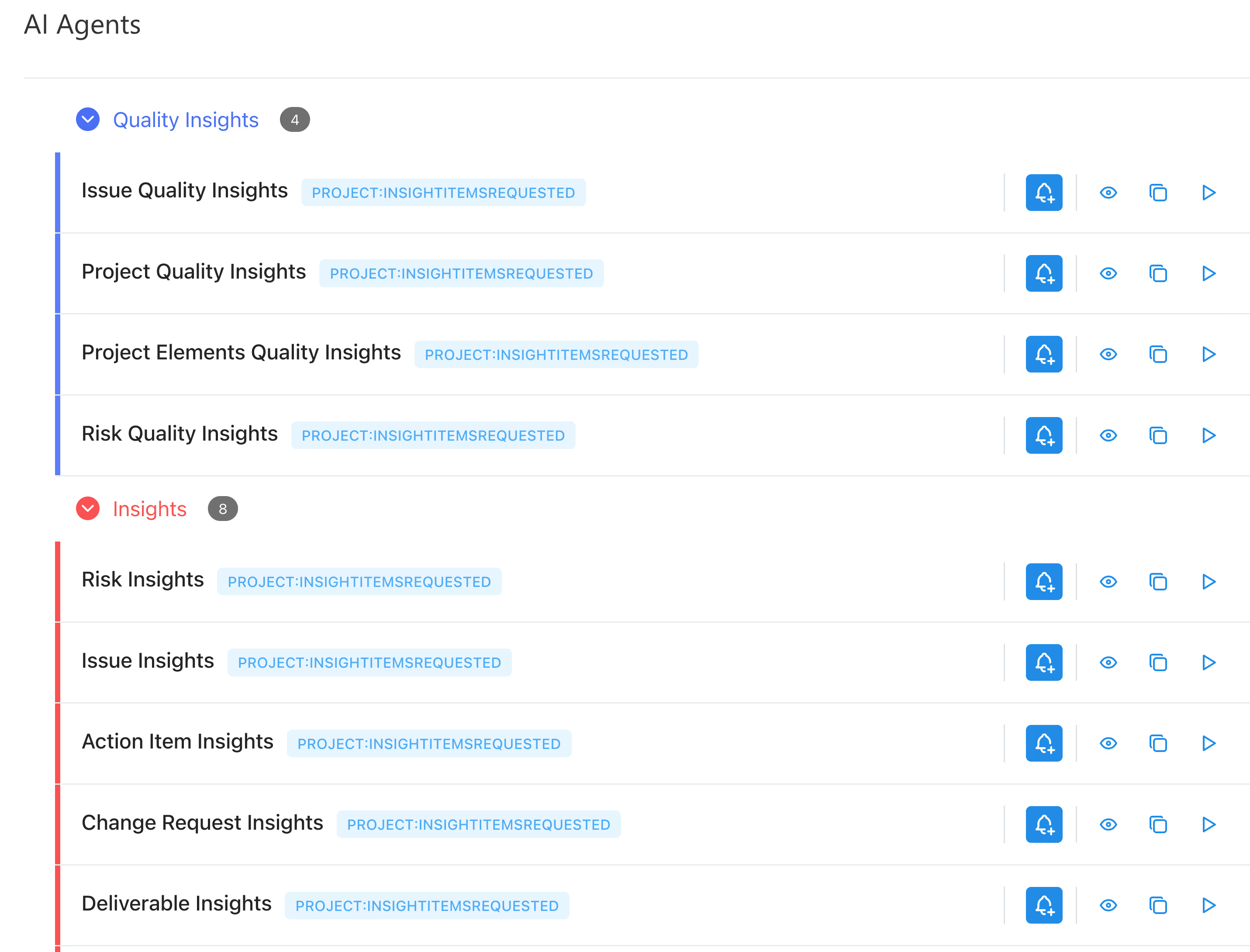
What the portfolio can do is compare what was reported against what the record shows, and put the disagreements in front of you.
Reported green, milestone slipped twice against baseline, active risk count doubled since last month. That is a contradiction worth a conversation, and it is arithmetic rather than judgement.
One dependency logged nine different ways across nine registers is one portfolio risk. Surfaced together, it stops being nine amber rows nobody escalates.
What approving this would displace, before it is approved, rather than after the resource manager discovers the commitment.

Here is the failure mode nobody selling AI to a PMO wants to describe. If AI makes it easier for forty people to generate plausible status prose, the PMO becomes the function that has to detect polished, empty updates.
Automating generation without automating verification does not remove your problem. It industrialises it, and you are the one who inherits the volume.
The draft is generated from the project data rather than from a prompt, which leaves far less room to write something the record does not support.
Slipped milestones, budget overruns and overallocation are rule-based signals. They are computed, not written, so they cannot be phrased more optimistically.
The honest claim is not that AI saves hours of writing. It is that asking someone to confirm a pre-filled update costs less than asking them to produce one.
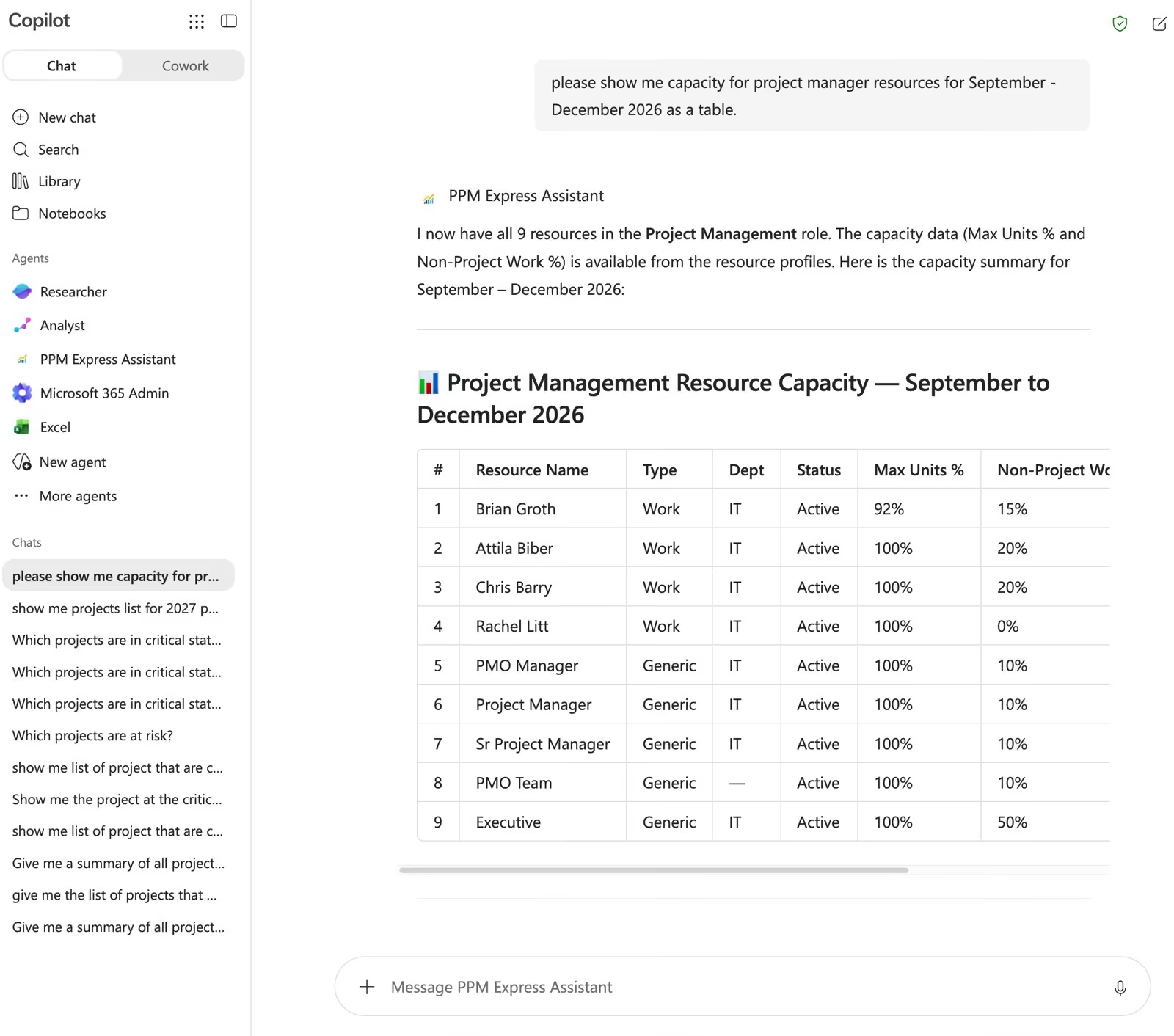
You are not rolling out a methodology. You are connecting the systems your projects already run in, and letting the reporting cycle draw from them.
The tell that it worked is that the monthly chase gets shorter and the questions in the review get better.
Delivery systems connected. Signals start surfacing slipped milestones, budget overruns and overallocated people across the whole portfolio, without anyone submitting anything.
The pack is drafted from the record. Your team spends the cycle checking and framing rather than collecting and retyping.
Project managers are confirming pre-filled updates instead of writing them, and the discrepancy conversations happen against evidence rather than recollection.
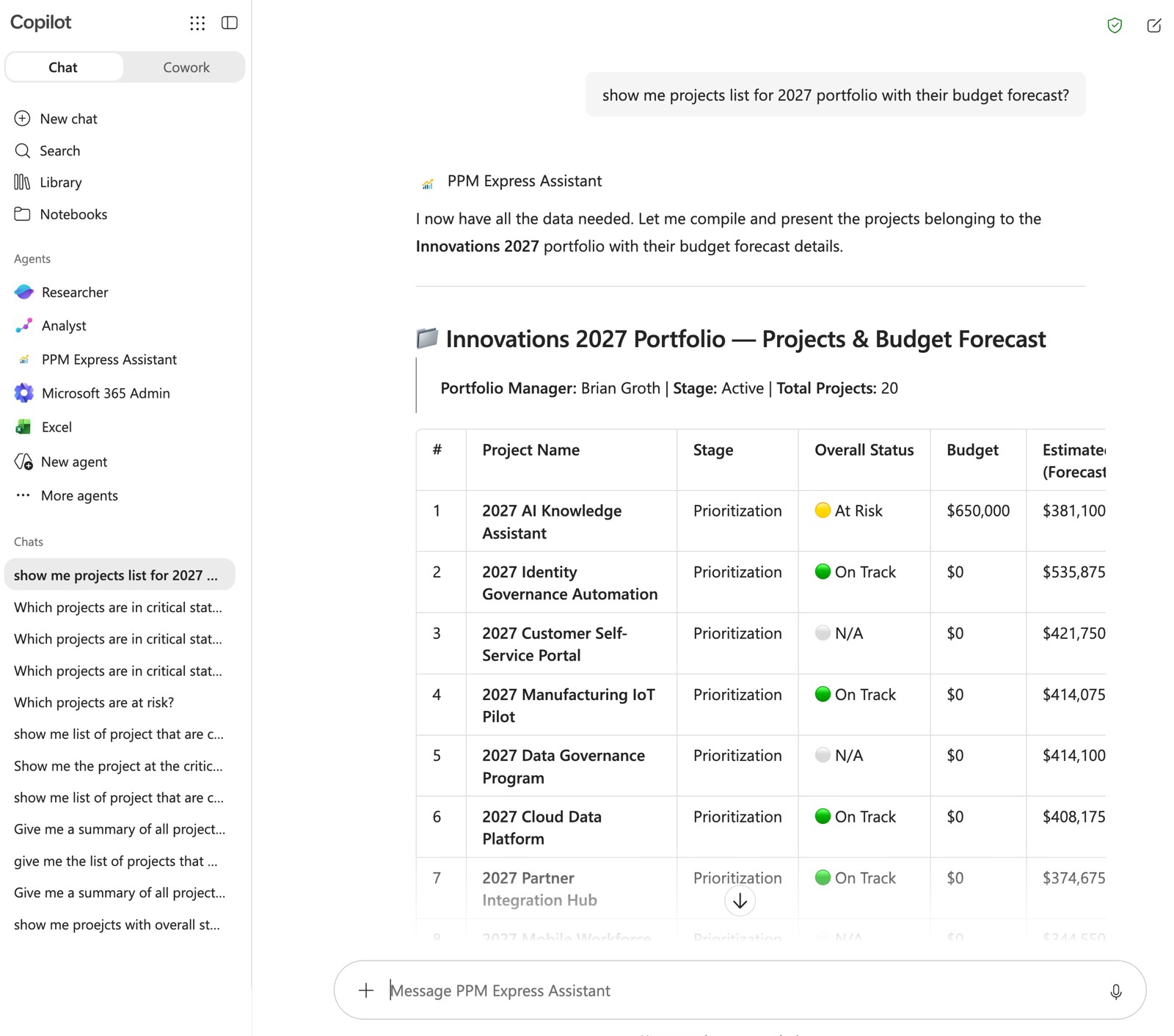


Which model runs it, what data leaves your tenant, which plan it is in, and where the limits are.
The part that was always the job. Nobody was paying the PMO to retype status updates into a template — they were paying for governance, prioritisation, assurance, and the judgement about what leadership actually needs to hear. Removing the assembly work makes that contribution more visible, not less. It is a fair question to ask of any vendor in this category, and it is worth asking us.
The conversation changes rather than disappears. Instead of chasing an update and then reconciling it, you arrive at the discrepancy already knowing what the record says — reported green, milestone slipped twice, risk count doubled. That is a better use of the relationship than asking someone to describe work you can already see.
It should reduce it. The draft is generated from the project record, so the ask becomes confirming and correcting rather than producing prose from a blank template. If your reporting cycle gets heavier after this, something has been configured wrong — and that is worth raising with us rather than absorbing.
By automating verification alongside generation. Draft from the consolidated record rather than from a prompt, and let rule-based signals do the arithmetic so slipped milestones and budget overruns cannot be phrased optimistically. Generation without verification does not remove your problem — it moves the detection burden onto you and increases the volume.
Connect the delivery systems first. If half the portfolio still arrives as a monthly spreadsheet, your reporting gets faster but no fresher, and you will have automated the wrong half. Templates, cadence and distribution can all be tuned afterwards.

What the AI actually does, and the data path behind every answer.
AI


What your steering committee wants from the portfolio, directly.
AI by role

What the reporting cycle looks like from the other end of it.
AI by role
Last updated 20 August 2026
.svg)


